

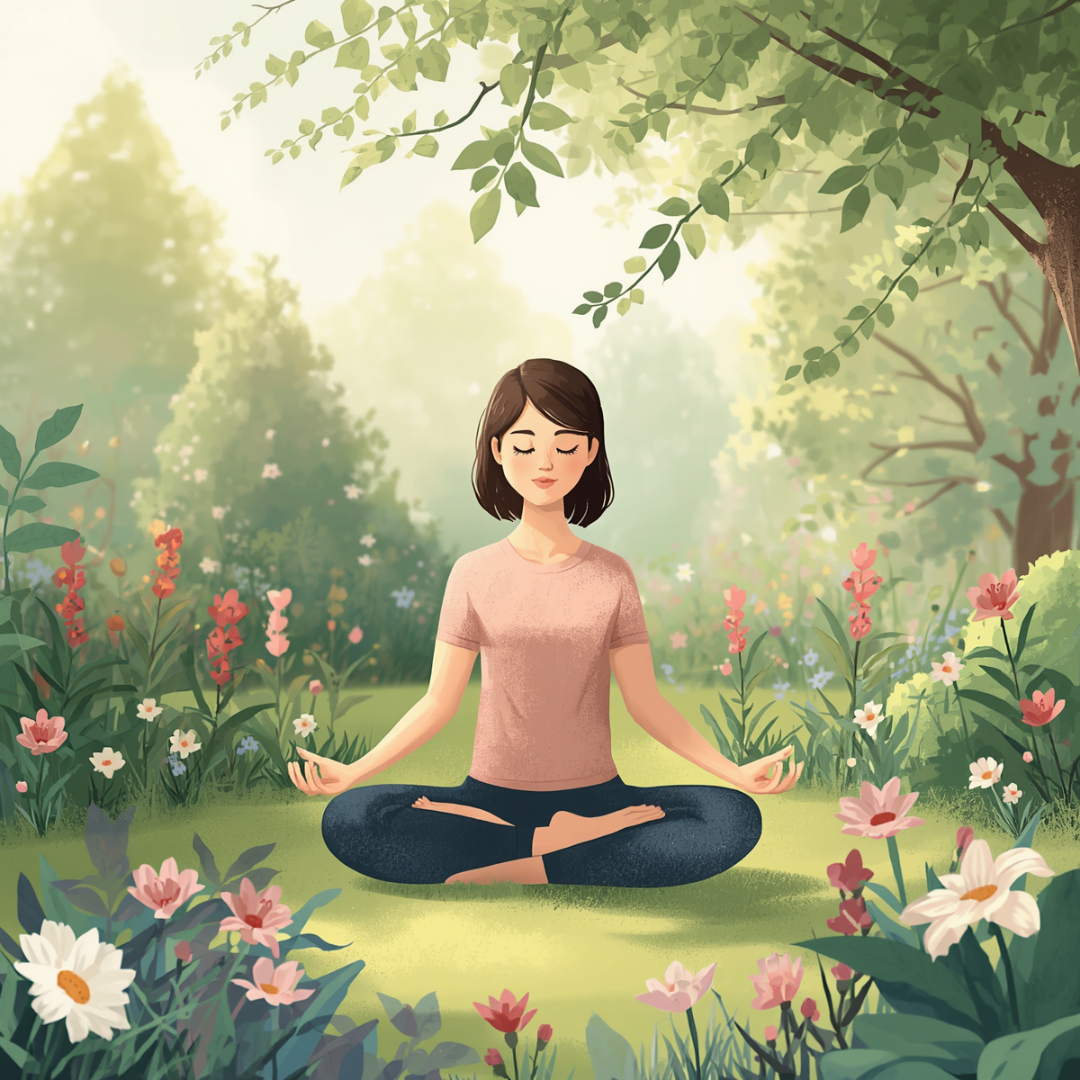
When Breathing and Calming Exercises Don't Work: Try 5-5-5
“Just take a deep breath.”
It sounds simple enough.
But if you've ever felt overwhelmed, anxious, angry, distressed or completely overloaded, you may have discovered that breathing exercises don't always make you feel better.
Sometimes, being told to “calm down and breathe” can actually feel frustrating.
You might find yourself thinking:
“I'm trying to breathe! It's not working!”
Or perhaps sitting still and focusing on your breathing gives your mind even more space to race.
The problem may not be that breathing and calming exercises don't work. It may simply be that they aren't the right first step for you in that particular moment.
This is where 5-5-5 can help.
What is 5-5-5?
Instead of trying to go directly from highly activated to completely calm, 5-5-5 gives your body and brain something to do first.
5 minutes of body movement
5 minutes of brain focus
5 minutes of calm
The idea is simple:
Move → Focus → Calm
Rather than expecting your nervous system to suddenly switch off, you give yourself a gradual pathway towards regulation.
Step 1: 5 Minutes of Body Movement
When we're stressed or emotionally activated, our bodies can become mobilised.
Our heart rate may increase, our muscles can tense, and we may feel restless, agitated or like we need to do something.
Trying to sit perfectly still and immediately become calm isn't always easy when your body is saying:
“MOVE!”
So, start there.
Spend five minutes doing some gentle movement.
You could try:
Walking around the block
Stretching
Gentle yoga
Shaking out your arms and legs
Dancing to one or two songs
Walking up and down the hallway
Doing some comfortable squats or movements
Gardening
Playing with the dog
Simply moving your body in whatever way feels safe and accessible
This isn't about exercising hard.
It's about changing your physical state and giving your body somewhere to direct that activated energy.
Step 2: 5 Minutes of Brain Focus
Once you've moved your body, give your mind something specific to focus on.
This could be something simple and grounding, such as:
Naming five things you can see
Completing a simple puzzle
Colouring or drawing
Tidying a small space
Doing a simple task that requires concentration
Listening carefully to a piece of music
Counting or sorting objects
Writing down what is currently worrying you
The goal isn't to ignore your feelings.
It's to give your brain a manageable task to focus on, helping you create some space between the intensity of the moment and your response.
Step 3: 5 Minutes of Calm
Now that you've moved and focused your attention, you may find that calming strategies feel more accessible.
This could be the time to try:
Slow breathing
Sitting somewhere comfortable
Listening to calming music
Having a warm drink
Progressive muscle relaxation
Mindfulness
Closing your eyes and noticing your surroundings
Spending a few quiet minutes somewhere you feel safe
You don't have to force yourself to become completely calm.
Instead, think about moving one step closer to feeling more settled.
Remember: Regulation Isn't One-Size-Fits-All
What works for one person may not work for another, and what helps you one day may not be what you need the next.
If breathing exercises haven't worked for you in moments of high distress, it doesn't mean you've failed.
Sometimes, you may simply need to move before you can calm.
Try:
5 minutes Move → 5 minutes Focus → 5 minutes Calm.
And see what changes.
What's Happening This Month?
💜 Women's Empowerment Group
💜 Women's Empowerment Group
Our Women's Empowerment Group is held on the first Wednesday of each month at 5:30pm at The Buzz, Yarrabilba.
💰 Cost: $5.00
This group provides an opportunity for women to connect, share experiences and build confidence in a supportive environment.
If you've been looking for a welcoming space to connect with others and focus on your own wellbeing, you're invited to join us.
📍 The Buzz, Yarrabilba
🗓 First Wednesday of every month
⏰ 5:30pm
💰 $5.00
Perinatal Relationship Education Group
Are you a couple interested in learning more about relationships during the perinatal period?
We are inviting couples who may be interested in attending a Perinatal Relationship Education Group via video link.
If you would like to express your interest, please email us with your Expression of Interest (EOI).
We can then add you to our waitlist and provide further information as the group develops.
Interested? Send us an email to submit your EOI and join the waitlist.
Now Accepting Clients Through Victim Services NSW
We are also pleased to share that we are now accepting clients through Victim Services NSW.
If you are accessing support through Victim Services NSW and would like to enquire about our services, please get in touch with us to discuss your options.
You're Not Expected to Figure It All Out Alone
Whether you're navigating relationship changes, parenthood, emotional overwhelm, personal challenges or simply looking for greater connection and support, reaching out can be an important first step.
Sometimes support starts with something as simple as moving, focusing and finding a little calm.
If you'd like more information about our groups or services, please get in touch.

Moving for Mental Health: When Exercise Helps — and When It Can Feel Hard
We often hear that exercise is “good for our mental health” — and there is plenty of evidence to support this.
Movement can help reduce stress, improve mood, support sleep, increase energy and create a sense of achievement. It can also provide a valuable opportunity to step away from our thoughts and reconnect with our bodies.
But there is an important part of the conversation we don't always hear:
For some people, exercise can also bring up difficult memories, emotions or trauma responses.
And when that happens, being told to “just exercise more” isn't particularly helpful.
The mental health benefits of movement
Exercise doesn't have to mean going to the gym or running a marathon.
Walking, swimming, dancing, gardening, stretching, yoga, cycling or simply moving your body throughout the day can all contribute to wellbeing.
Regular movement can support mental health by:
Reducing stress and helping the body regulate stress hormones
Supporting improved mood and emotional wellbeing
Increasing opportunities for social connection
Improving sleep quality
Building confidence and a sense of capability
Providing structure and routine
Helping us reconnect with our bodies
Creating opportunities for mindfulness and being present
Exercise can also give us a chance to experience something incredibly valuable after difficult life experiences: “My body can do things.”
However, that experience isn't always immediately accessible to people who have experienced trauma.
Why can exercise trigger trauma responses?
Trauma can change the way we experience our bodies and our environment.
Exercise can involve increased heart rate, sweating, breathlessness, muscle tension, physical exertion and loss of control. Interestingly, some of these physical sensations can resemble aspects of a trauma response.
For someone who has experienced trauma, a racing heart might not feel like “I'm getting fitter.”
It might feel like:
“Something is wrong.”
Breathlessness might trigger memories of fear. Sweating might feel unsafe. Being in a particular environment — such as a gym, changing room, swimming pool or sporting field — may bring back memories associated with previous experiences.
Exercise can also involve being watched, touched, instructed or physically vulnerable. For someone with a history of trauma, these experiences may activate feelings of being judged, controlled or unsafe.
This doesn't mean exercise is bad for trauma survivors.
It means our nervous systems have context.
When “pushing through” isn't the answer
There is a common belief that we need to push ourselves outside our comfort zone to grow.
Sometimes that is true.
But trauma recovery isn't about forcing yourself through overwhelming experiences.
If your nervous system is telling you that something is unsafe, repeatedly overriding that response can sometimes reinforce the sense that your body isn't being listened to.
Instead, we can work towards choice, safety and gradual exposure.
Ask yourself:
What type of movement feels safe enough today?
Maybe it's a five-minute walk.
Maybe it's stretching at home with the door closed.
Maybe it's dancing to one song.
Maybe it's exercising with a trusted person.
Maybe today isn't an exercise day at all.
There is no moral value attached to how much you exercise.
Finding movement that feels safe
If exercise brings up trauma memories or uncomfortable body sensations, consider starting small.
Choose your environment.
Find somewhere that feels predictable and comfortable.
Give yourself choices.
You can stop, slow down, change activities or leave.
Focus on sensations rather than performance.
Instead of counting calories, kilometres or repetitions, notice how your body feels.
Build gradually.
You don't need to go from doing nothing to exercising five days a week.
Use grounding.
Notice your feet on the floor, the temperature of the air, what you can see around you and your breathing.
Find movement you actually enjoy.
Exercise doesn't have to be punishment for eating, a way to change your body or something you have to earn.
And perhaps most importantly:
Your body deserves compassion, not punishment.
For people recovering from trauma, reconnecting with the body can be a powerful part of healing. Sometimes that journey begins with exercise. Sometimes it begins with simply learning that it is safe to inhabit your body again.
If movement consistently triggers intense distress, panic, dissociation or trauma memories, talking with a trauma-informed mental health professional can help you understand your responses and develop strategies that support both your mental health and your sense of safety.
You don't have to force yourself to feel better.
You can learn to feel safer, one small step at a time.
New Women's Mental Health & Relationships Program
We are excited to continue our Women's Mental Health & Relationships Program at The Buzz Yarrabilba.
The program started on Wednesday, 1st July 2026, from 5:30pm to 6:30pm and continues on the first Wednesday of every month.
This welcoming and supportive program provides a space for women to explore topics including:
Mental wellbeing
Healthy relationships
Self-care and self-worth
Resilience and coping strategies
Personal growth and empowerment
Dating and relationship confidence
Whether you're looking to strengthen your relationships, improve your emotional wellbeing, connect with other women, or simply take some time to invest in yourself, we'd love to welcome you.
We believe that honest conversations can create connection, reduce shame, and remind us that we are rarely the only person experiencing what we are experiencing.
Come along, meet other women, learn some practical tools, and take a little time for yourself.
We look forward to connecting with you!
“Authentic connection begins when we show up as ourselves.”
Warm regards,
Hold the Hope Counselling
Supporting mental health, relationships, wellbeing and meaningful change.

The Power of Connection: Why We All Need a Village
Dear Hold the Hope Community,
As we move through the year, many of us find ourselves balancing work, family responsibilities, caring for loved ones, financial pressures, and the countless demands of everyday life. In the midst of all this, one of the most important ingredients for our wellbeing can quietly fade into the background—meaningful human connection.
At Hold the Hope Counselling, we often remind our clients that healing doesn't happen in isolation. While personal growth is an individual journey, it is often nurtured through the relationships we build with those around us.
Why Connection Matters
Humans are biologically wired for connection. From the moment we are born, our brains develop through safe, responsive relationships. Throughout our lives, those connections continue to shape our emotional, psychological, and even physical health.
Research consistently shows that people with strong social connections experience:
Better mental health and emotional wellbeing
Lower rates of anxiety and depression
Improved physical health and immune function
Greater resilience during life's challenges
Increased life satisfaction and happiness
Longer life expectancy
Connection isn't about having a large social circle or being constantly surrounded by people. It's about having relationships where we feel accepted, supported, understood, and valued. Sometimes just one or two trusted people can make a profound difference.
It Really Does Take a Village
We've all heard the saying, "It takes a village to raise a child." The truth is, it takes a village to support us throughout every stage of life.
Historically, communities naturally shared the joys and burdens of life. Neighbours looked after one another, families gathered regularly, children were raised by extended networks, and people had a greater sense of belonging.
Today's world often looks quite different. Many people live far from family, work remotely, relocate for employment, or find themselves spending more time online than in face-to-face interactions. While technology has many benefits, it can never fully replace genuine human connection.
Having a village doesn't mean relying on one person to meet all of our emotional needs. Instead, it means having a diverse network of people who each contribute something unique to our lives.
Your village might include:
Family members
Close friends
Neighbours
Colleagues
Sporting or hobby groups
Community organisations
Faith communities
Support groups
Healthcare professionals or therapists
Each relationship plays an important role in helping us feel connected, supported, and resilient.
Building Your Village
If your village feels a little smaller than you'd like, remember that it's never too late to begin building meaningful connections. Like any worthwhile investment, relationships take time, patience, and care.
Here are a few ways to strengthen your community:
Reach out first.
Many people are waiting for someone else to make the first move. Send a message, make a phone call, or invite someone for a coffee or a walk.
Join a community.
Consider joining a book club, walking group, sporting club, volunteer organisation, community class, or local event. Shared interests often create lasting friendships.
Be authentic.
Meaningful relationships grow when we allow ourselves to be genuine rather than trying to appear as though we have everything together.
Accept support.
Many of us are comfortable helping others but find it difficult to ask for help ourselves. Receiving support allows others the opportunity to care for us, just as we care for them.
Invest in existing relationships.
Sometimes building a village isn't about meeting new people—it's about nurturing the relationships we already have. A thoughtful message, regular catch-up, or shared meal can strengthen connections over time.
A Gentle Reminder
If you've been feeling lonely, disconnected, or overwhelmed, please know that you're not alone. Many people experience periods where their village feels distant or difficult to find.
Connection often begins with one small step—reaching out, saying yes to an invitation, attending a community group, or simply letting someone know you're not doing okay.
At Hold the Hope Counselling, we believe hope grows through connection. Whether it's through individual counselling, our group programs, or community events, we're committed to creating spaces where people feel safe, supported, and understood.
Because none of us were meant to do life alone.
Exciting Changes to Our Group Programs
We are excited to share some upcoming changes to how and when we deliver our group programs. Watch this space for new opportunities to connect, learn, and grow within a supportive community environment.
Women's Mental Health and Relationships Program
Hold the Hope Counselling is proud to facilitate our Women's Mental Health and Relationships Program at The Buzz Yarrabilba on the first Wednesday of every month from 5:30 pm to 6:30 pm.
This welcoming and supportive program provides women with an opportunity to connect with others while exploring topics including:
Mental wellbeing
Healthy relationships
Self-care and self-worth
Resilience and coping strategies
Personal growth and empowerment
Whether you're looking to learn new skills, meet like-minded women, or simply take some time to invest in yourself, we'd love to welcome you.
We look forward to continuing to support our community with hope, encouragement, practical strategies, and meaningful connection.
"Alone, we can do so little; together, we can do so much."
— Helen Keller
Warm regards,
The Hold the Hope Counselling Team

Seasonal Depression in Winter: Understanding the Winter Blues and Finding Hope
As winter settles in, many people notice changes in their mood, energy levels, and motivation. Shorter days, colder weather, and reduced sunlight can leave us feeling more tired, withdrawn, and emotionally flat. While it is common to experience a temporary dip in mood during winter, for some people these feelings can become more significant and develop into Seasonal Affective Disorder (SAD), a form of depression linked to seasonal changes.
At Hold the Hope Counselling, we understand that winter can be a challenging time for mental health. The good news is that there are practical ways to manage seasonal depression and support your wellbeing during the colder months.
What is Seasonal Affective Disorder (SAD)?
Seasonal Affective Disorder is a type of depression that typically occurs during autumn and winter when daylight hours decrease. Symptoms often improve as spring and summer return.
Common signs of seasonal depression include:
Persistent low mood or sadness
Loss of interest in activities you usually enjoy
Increased fatigue and low energy
Difficulty concentrating
Changes in appetite, often craving carbohydrates or comfort foods
Sleeping more than usual
Social withdrawal and isolation
Feelings of hopelessness or irritability
While SAD affects people differently, it can significantly impact daily life, relationships, and overall wellbeing.
Why Does Winter Affect Our Mood?
Researchers believe reduced exposure to sunlight can affect the body's internal clock and influence chemicals in the brain that regulate mood and sleep.
Lower sunlight levels may contribute to:
Reduced serotonin, which helps regulate mood
Increased melatonin production, leading to tiredness and disrupted sleep patterns
Changes in circadian rhythms, affecting energy levels and emotional wellbeing
Winter can also be particularly challenging for people living with chronic pain, injuries, arthritis, or other long-term health conditions. Colder temperatures can increase muscle tension, joint stiffness, and pain sensitivity, making physical symptoms feel more intense. When pain levels increase, it can become harder to stay active, socialise, sleep well, and maintain positive mental health, creating a cycle that can contribute to feelings of sadness, frustration, and isolation.
Combined with the tendency to spend more time indoors and become less socially active, winter can create conditions that make depression symptoms more likely to develop. Recognising the connection between physical health and emotional wellbeing is an important step in caring for yourself during the colder months.
Practical Ways to Manage Seasonal Depression
1. Prioritise Natural Light
Make the most of daylight whenever possible. Open curtains during the day, sit near windows, and spend time outdoors, even on cloudy days. A morning walk can be particularly beneficial for boosting mood and energy.
2. Stay Physically Active
Regular exercise supports both physical and mental health by releasing endorphins and reducing stress. You don't need an intense workout—even gentle activities like walking, stretching, yoga, or gardening can make a difference.
3. Maintain Social Connections
When energy is low, it can be tempting to withdraw from others. However, staying connected with supportive friends, family, or community groups can help combat feelings of isolation and loneliness.
4. Establish Healthy Routines
Consistent sleep, meal, and activity schedules help regulate the body's internal clock. Try to maintain regular routines, even when motivation is low.
5. Practice Self-Compassion
Winter can be a difficult season, and it's important to acknowledge how you're feeling without judgment. Allow yourself extra rest when needed and remember that struggling does not mean you are failing.
6. Focus on Activities That Bring Joy
Engaging in hobbies, creative pursuits, or activities that provide a sense of accomplishment can help lift mood and create positive experiences throughout the week.
7. Seek Professional Support
If feelings of sadness, hopelessness, or fatigue persist and begin affecting your daily life, speaking with a mental health professional can be incredibly valuable. Counselling provides a safe, supportive space to explore your experiences, develop coping strategies, and work towards improved wellbeing.
You Don't Have to Face Winter Alone
Experiencing seasonal depression can feel isolating, but support is available. Reaching out for help is a sign of strength. Whether you're struggling with winter-related mood changes, ongoing depression, anxiety, relationship challenges, chronic pain, or life transitions, counselling can provide a safe and supportive space to help you navigate difficult seasons and rediscover hope.
At Hold the Hope Counselling, we are committed to walking alongside you with compassion, understanding, and practical support. If this winter feels heavier than usual, please know that you do not need to manage it alone.
Currently Accepting New Referrals
We are currently accepting new referrals and welcome enquiries from individuals seeking support for their mental health, relationships, and overall wellbeing.
Exciting Changes to Our Group Programs
We are excited to share some upcoming changes to how and when we deliver our group programs. Watch this space for new opportunities to connect, learn, and grow within a supportive community environment.
New Women's Mental Health and Relationships Program
Starting Wednesday, 1st July 2026, from 5:30pm to 6:30pm, Hold the Hope Counselling will be facilitating a Women's Mental Health and Relationships Program at The Buzz Yarrabilba.
This program will continue on the first Wednesday of every month, providing a welcoming and supportive space for women to explore topics relating to:
Mental wellbeing
Healthy relationships
Self-care and self-worth
Resilience and coping strategies
Personal growth and empowerment
Whether you are looking to strengthen relationships, improve your emotional wellbeing, connect with other women, or simply take some time to invest in yourself, we would love to welcome you.
We look forward to connecting with you and continuing to support our community with hope, encouragement, and practical tools for positive change.
"Hope is being able to see that there is light despite all of the darkness." – Desmond Tutu
Warm regards,
Hold the Hope Counselling
Supporting individuals through life's challenges with empathy, hope, and professional care.

Understanding the “Four Horsemen” in Relationships
Welcome to June
As we move into the middle of the year, June offers an opportunity to pause, reflect, and reconnect — with ourselves, our relationships, and our wider support networks. At Hold the Hope Counselling, we continue to provide spaces for growth, learning, and meaningful connection through our online workshops, support groups, and professional development offerings.
We’re excited to share our upcoming programs and ongoing groups for the months ahead.
Conflict is a normal part of every relationship — but the way we communicate during conflict can either strengthen connection or slowly erode it.
Relationship researcher, John Gottman identified four communication patterns that are particularly damaging to relationships. He called these patterns The Four Horsemen of the Apocalypse because of their strong connection to relationship breakdown over time.
The four horsemen are:
Criticism – attacking a partner’s character rather than addressing a specific issue.
Contempt – communicating from a place of superiority through sarcasm, eye-rolling, mockery, or hostility.
Defensiveness – responding with excuses, blame, or counterattacks instead of listening and taking responsibility.
Stonewalling – emotionally withdrawing, shutting down, or avoiding communication altogether.
While most couples experience these behaviours occasionally, problems arise when they become habitual patterns in the relationship. The encouraging news is that awareness creates opportunity for change.
The Gottman approach also offers practical “antidotes” to each horseman — including gentle start-ups, appreciation, responsibility-taking, and self-soothing techniques — all designed to help couples reconnect and communicate more effectively.
Healthy communication is not about never disagreeing; it’s about learning how to navigate differences with respect, empathy, and emotional safety.
Watch this helpful overview video on the Four Horsemen here:
If you would like to explore these concepts more deeply, our upcoming workshop The 7 Principles of Making a Marriage Work provides practical tools grounded in Gottman relationship research to support stronger, healthier connection.
Upcoming Group Programs
〰️
All programs are run online
〰️ All programs are run online
The 7 Principles of Making a Marriage Work
21st August
9:00 AM – 5:30 PM AEST
$550 per couple
A full-day workshop designed to strengthen communication, deepen understanding, and reconnect you with your partner.
Bringing Baby Home
17th July
9:00 AM – 5:00 PM AEST
$550 (couples welcome)
Support your relationship through the transition to parenthood, with practical tools to stay connected during this major life shift.
Lessons in Love
12th June
9:00 AM – 5:30 PM AEST
$550 per person
An opportunity to explore emotional patterns, relationship dynamics, and your own personal growth in love.
Ongoing Groups & Professional Development
Women’s Perimenopausal Support Group
Every 2nd Wednesday
9:30 AM – 11:00 AM AEST
$40
Next June session: Let’s talk symptom management.
Professional Book Club
Last Friday of the month
9:00 AM – 10:00 AM AEST
$40
June’s book: The Confidence Gap by Russ Harris.
Group Supervision for Clinical Professionals
Last Wednesday of the month
9:00 AM – 10:00 AM AEST
$40
A supportive space for reflection, learning, and professional connection with fellow clinicians.
Stay Connected
If you would like more information or wish to register for any upcoming groups or workshops, please reach out via email: holdthehopecounselling@yahoo.com
Thank you for being part of the Hold the Hope community. We look forward to supporting you through the season ahead.
Warm regards,
Hold the Hope Counselling

A Gentle Reframe: From Exercise to Play
Hello,
As we move into May, we’re reminded that growth—whether personal, relational, or professional—often begins with small, intentional steps. At Hold the Hope Counselling, we’re here to support you in strengthening your relationships, deepening self-understanding, and navigating life’s transitions with care and clarity.
Below are our upcoming group programs and offerings, along with a short reflection for this month.
When we think about “exercise,” it can sometimes feel like a task—something we should do, rather than something we want to do. It can carry pressure, expectations, or even a sense of guilt.
But what if we shifted the way we think about movement?
As children, we didn’t say, “I’m going outside to exercise.”
We said, “I’m going to ride my bike,” “play hopscotch,” or “skip with my friends.”
Movement was joyful. It was freeing. It was play.
Research consistently shows that regular movement supports not only physical health, but also emotional wellbeing. It can help reduce stress, improve mood, support better sleep, and increase overall resilience. But perhaps one of the most powerful shifts is not just that we move—but how we experience that movement.
When we approach movement as play, something changes:
It becomes more sustainable
It feels less like pressure and more like permission
It reconnects us with enjoyment, curiosity, and even creativity
This month, you might gently ask yourself:
What kind of movement feels like play to me?
It might be walking along the water, dancing in your living room, kicking a ball with your kids, or stretching in the morning sun. There’s no “right” way—only what feels good and supportive for you.
Upcoming Group Programs
The 7 Principles of Making a Marriage Work
Date: 23rd May
Time: 9:00 AM – 5:30 PM AEST
Investment: $550 per couple
Strengthen communication and connection in your relationship.
Bringing Baby Home
Date: 8th May
Time: 9:00 AM – 5:00 PM AEST
Investment: $550 (couples welcome)
Support your relationship through the transition to parenthood.
Lessons in Love
Date: 12th June
Time: 9:00 AM – 5:30 PM AEST
Investment: $550 per person
Explore emotional patterns, relationships, and personal growth.
Ongoing Groups & Professional Development
Women’s Perimenopausal Support Group
Every 2nd Wednesday
Time: 9:30 AM – 11:00 AM AEST
Investment: $40
Next session in May: Building confidence and communication skills in a supportive environment.
Professional Book Club
Last Friday of the month
Time: 9:00 AM – 10:00 AM AEST
Investment: $40
May focus: 31 days to great sex
Group Supervision for Clinical Professionals
Last Wednesday of the month
Time: 9:00 AM – 10:00 AM AEST
Investment: $40
May case discussion: explored PND and impacts on body image in the perinatal period
Whether you’re looking to invest in your relationship, prepare for a new stage of life, or connect with others in a meaningful way, our groups are designed to offer both practical tools and a safe, supportive environment.
If you’d like to learn more or reserve your place, feel free to get in touch or visit our website.
Warmly,
Hold the Hope Counselling